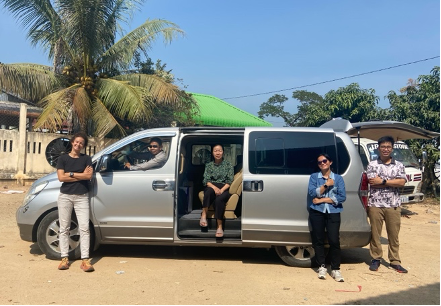
Last year, we carried out a cross-sectional study over several months across Cambodia. During this first phase, we identified poultry sites, sampled poultry, and interviewed traders to better understand poultry trade networks and practices. Based on the results of this first phase, we selected a subset of sites to be followed over time as part of a longitudinal study. This selection was done through close discussions with Claire, Sara and Bastien, who worked on extracting and analysing data from the first phase, including the type of sites, the number of sales, and the poultry species involved. To prepare for this new phase, we also had several meetings with the IPC virology team, local veterinarians, and NAHPRI. In parallel, we worked with WCS to organise surveillance in wild birds, together with rangers from the Ministry of Environment and WCS.
After many discussions, adjustments to the schedule, and brainstorming sessions, we are happy to say that the longitudinal study has officially started!
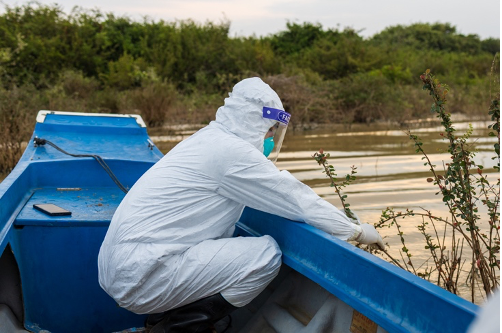
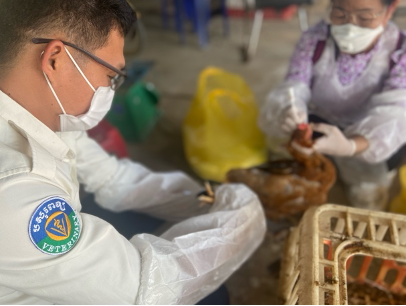
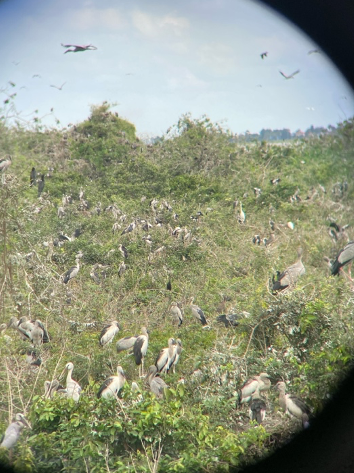
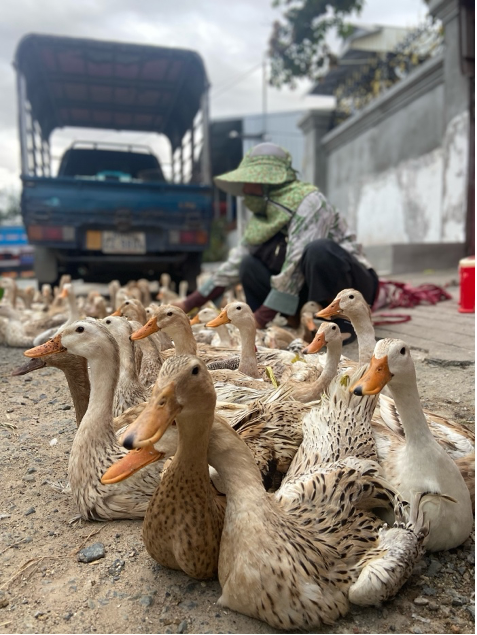
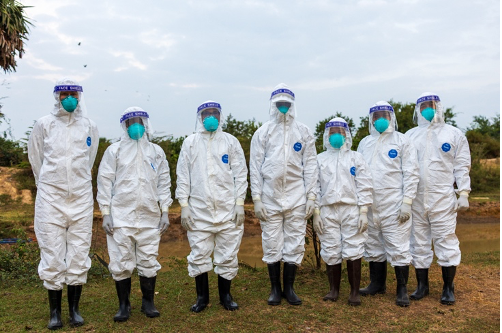
This week, we sampled poultry and conducted interviews with traders and farmers across the 18 poultry sites selected for the longitudinal study. These sites include farms, wholesale markets, retail markets, storage facilities, and slaughter places. They were chosen based on their connections through poultry trade, high poultry numbers, and previous virus detection. Samples are collected from chickens and ducks, as well as other species present at the sites, such as geese, pigeons… By following these connected sites over time, we aim to track virus evolution and transmission along poultry trade chains and identify key epidemiological drivers. From now until the end of the year, these sites will be visited monthly. This week, we also started the sampling in wild birds. Faecal samples and water surface samples were collected at two wild bird colony sites, selected for their high bird density, previous mortality events, and prior virus detection. Sampling at these sites will initially take place bi-weekly, and then monthly. By combining longitudinal surveillance in poultry and wild birds, we aim to better understand whether viruses detected in wild birds are linked to those circulating in poultry populations.